


Black Mission Fig Tree
Zones 7-11
Can't ship to your state. Due to USDA and state agriculture regulations.
Shop plants we can ship to you ·
Can't ship to California or Georgia.
Buy more, save more
Save up to $1,000 on your whole cart.
Discounts don't stack. At checkout you automatically get whichever saves you more.
See all savings tiers
Your code will auto-apply at checkout.
From our farm to your front door
- Shipped in its nursery pot, so the roots stay undisturbed
- Soil secured so it stays put in transit
- Packed so the plant stays steady on the way to you
At a glance
- Sunlight
- Full Sun
- Water
- When the top 2–3" of soil is dry
- Growth & size
- Moderate growth rate; typically reaches 10-30 feet in height and width, depending on pruning and growing conditions.
- Botanical name
- Ficus carica 'Mission'
- Hardiness
- Zones 7-11
- Tolerates
- Heat tolerantDrought tolerantHumidity tolerantCoastal tolerant
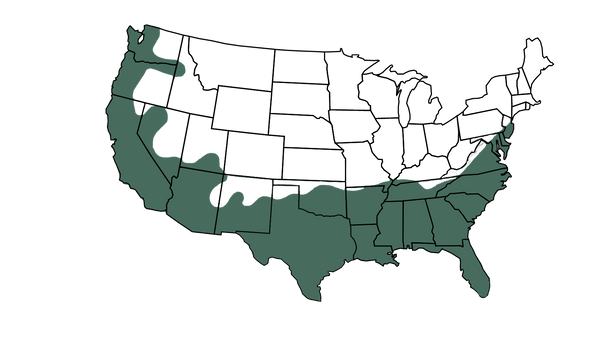
Where it grows in the groundShaded areas are the zones where it can be planted outdoors.


Size guide & what arrives
| *Trade size | **Pot size |
|---|---|
| 1 gallon | 6" |
| 3 gallon | 8 to 10" |
| 5 gallon | 10 to 12" |
| 7 gallon | 14" |
| 10 gallon | 15 to 17" |
| 15 gallon | 17" |
| "Jumbo" | 7 or 10 or 15 gallon |
*Nursery gallon sizes are trade sizes and do not equal standard liquid gallons.
**Pot sizes in inches refer to container width (diameter), not plant or pot height.
Please note: Sizing can differ between plant varieties and growers. Please chat with us if you need clarification.
For more information on sizing, please see our sizing guide.
What arrives
The Black Mission Fig’s deep, sweet fruit and attractive foliage make it a favorite for both ornamental and culinary use.
*We cannot guarantee that your Black Mission Fig you receive will already be bearing fruit. This depends on the season and the overall growth pattern.
What customers are saying
Why customers love it

Healthy, well-rooted plants
Hand-selected and shipped in its nursery pot.

Delivered to your door
Skip the nursery trip. Very little car Tetris required.

Real plant experts
Ask us anything before or after planting.

1-year guarantee
If something goes wrong, we'll help make it right.
Care made simple
Plant it right once and it does the rest.
Pick the spot before you dig.
Water slowly and deeply. Check more often in its first summer.
Enter your ZIP above to check your zone.
Your first year together
- 1Day 1
Plant it, then water slowly until the whole root ball is soaked.
- 2First few weeks
Keep the soil evenly moist while new roots settle in.
- 3First summer
Water deeply during hot, dry spells.
- 4Next spring
New growth starts. Feed as it wakes up.
Planting instructions
Watering & sunlight
Care guide
Shipping & what's inside
Your plant ships in its nursery pot with the soil secured, packed so it stays steady on the way to you.
1-year guarantee
Every plant is covered by our 1-year guarantee. If something goes wrong, contact our team and we'll walk you through it.
 Answered by Simply Trees plant experts
How big does the Black Mission Fig tree get?
How fast does the Black Mission Fig tree grow?
Where is the best place to plant the Black Mission Fig tree?
Sunlight: Choose a spot that receives full sun for at least 6-8 hours per day. Adequate sunlight is crucial for optimal fruit development and overall health of the tree.
Soil: Plant in well-draining soil to prevent waterlogging, which can lead to root rot. The soil should be rich in organic matter and have a slightly acidic to neutral pH. If your soil is heavy or clayey, consider amending it with compost or planting in a raised bed to improve drainage.
Protection from Wind: Select a location that is somewhat sheltered from strong winds, which can damage the tree and its fruit. However, ensure there is enough air circulation to discourage fungal diseases.
Space: Make sure there is enough space for the tree to grow. Black Mission Fig trees can reach up to 15-30 feet tall and 10-20 feet wide, so they should be planted at least 10-15 feet away from buildings and other trees to allow ample room for their canopy to spread.
Accessibility: Plant the tree in a location where it’s easy for you to access for ongoing maintenance, such as watering, pruning, and harvesting the fruits.
Climate Considerations: If you are in an area with colder winters, consider planting the tree on the south side of a building where it will receive more warmth and protection from cold northern winds.
By considering these factors, you can find the optimal spot in your garden or yard to plant a Black Mission Fig tree, which will help ensure its growth, health, and productivity.
Should I plant the Black Mission Fig tree in the ground or in a pot?
Planting in the Ground
Advantages:
Room to Grow: Planting in the ground allows the tree to develop a larger root system, which can lead to a healthier, more robust plant with higher fruit production.
Less Maintenance: Ground-planted trees generally require less frequent watering and repotting than potted trees.
Climate Resilience: In-ground trees are better insulated against temperature fluctuations, which can be beneficial in areas with colder climates.
Considerations:
Ensure you have enough space for the tree to mature, as Black Mission Figs can spread widely.
Choose a sunny location with well-draining soil.
Planting in a Pot
Advantages:
Space Flexibility: Ideal for those with limited garden space or living in urban areas. Pots allow for mobility; you can move the tree to optimal locations throughout the year or bring it indoors during harsh weather.
Soil Control: You can manage the soil quality more directly, ensuring the ideal pH and drainage for your fig tree.
Growth Control: Potted trees typically remain smaller than their in-ground counterparts, making them easier to manage and harvest.
Considerations:
Choose a large pot with adequate drainage holes to accommodate the tree’s growth for several years.
Potted fig trees require more frequent watering and may need more regular feeding.
Ensure the tree is placed in a spot that receives sufficient sunlight.
For gardeners in colder regions or with limited space, growing a Black Mission Fig tree in a pot is an excellent choice. It provides flexibility and control over the growing conditions. If space permits and you're in a warmer climate, planting in the ground might be the better option to maximize the tree’s potential and yield.
How do I care for the Black Mission Fig tree?
Sunlight: Plant in an area that receives full sun, which means at least 6 hours of direct sunlight daily. This is crucial for fruit development and ripeness.
Watering: Water young trees regularly to help establish a deep, extensive root system. Once established, the tree is drought-tolerant but benefits from occasional deep watering during prolonged dry periods, especially when fruiting to ensure good crop yield.
Soil: Ensure the soil is well-draining to prevent root diseases. Black Mission Figs prefer slightly acidic to neutral soil but are adaptable to various soil types.
Fertilization: Feed the tree annually with a balanced, all-purpose fertilizer in late winter or early spring before new growth begins. This helps promote healthy growth and abundant fruiting.
Pruning: Prune in the late winter while the tree is dormant. Remove any dead or diseased branches, thin out crowded areas to improve sunlight penetration and air circulation, and shape the tree to maintain a manageable size and encourage new growth.
Protection: In colder zones, protect young trees from freezing temperatures by wrapping them with burlap or using a frost blanket. Mature trees are quite hardy but may need protection during unusual cold snaps.
Pest and Disease Management: Monitor for common pests like aphids, fig beetles, and spider mites, and manage them through appropriate organic or chemical treatments. Keep an eye out for signs of disease, such as leaf rust or blight, and address issues promptly.
By following these care guidelines, your Black Mission Fig tree will be well-positioned to produce delicious figs and enhance your garden's beauty.
Are Black Mission Fig trees self pollinating?
When does the Black Mission Fig tree bear fruit?
Breba Crop: The first crop, known as the "breba" crop, grows on the last season's shoot growth and ripens in early summer. This crop is usually lighter and not as abundant as the main crop.
Main Crop: The second, more abundant crop develops on the current season’s new growth and matures in the late summer or fall. This is generally considered the main crop and produces the majority of the fruit.
Proper care, including adequate sunlight, watering, and fertilization, can help ensure robust fruit production during these periods.
Can I plant the Black Mission Fig tree in a pot?
How often should I water the Black Mission Fig tree?
Young Trees: For the first two to three years, water young trees deeply once a week if there is no significant rainfall, adjusting frequency depending on soil type, climate, and weather conditions.
Mature Trees: Mature fig trees can usually rely on natural rainfall unless conditions are exceptionally dry. During prolonged dry spells, water every 10 to 14 days.
Soil Considerations: Black Mission Fig trees prefer well-drained soil, so be sure to avoid waterlogging. Check the soil moisture by feeling the soil a few inches below the surface; water only when the top few inches have dried out.
Adapting your watering schedule to the local conditions and the tree's growth stage will help ensure healthy growth and a plentiful fig harvest.