


Bald Cypress
Zones 4-9
Buy more, save more
Save up to $1,000 on your whole cart.
Discounts don't stack. At checkout you automatically get whichever saves you more.
See all savings tiers
Your code will auto-apply at checkout.
Overview
From our farm to your front door
- Shipped in its nursery pot, so the roots stay undisturbed
- Soil secured so it stays put in transit
- Packed so the plant stays steady on the way to you
At a glance
- Leaves
- Deciduous: drops its leaves in fall and regrows them in spring
- Sunlight
- Full Sun
- Water
- When the top 1" of soil is dry
- Growth & size
- Reaches a mature height of 50-70 feet with a width of 20-30 feet
- Botanical name
- Taxodium distichum
- Hardiness
- Zones 4-9
- Tolerates
- Cold hardyHeat tolerantHumidity tolerantWind tolerant
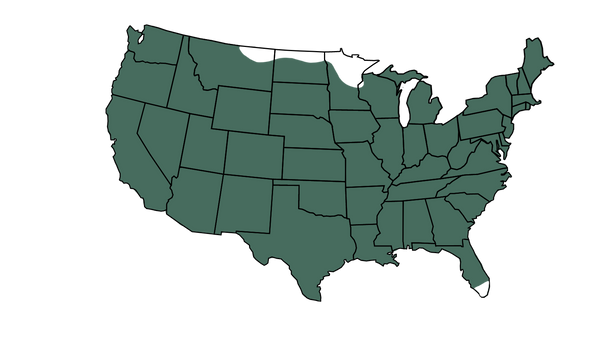
Where it grows in the groundShaded areas are the zones where it can be planted outdoors.


Size guide & what arrives
| *Trade size | **Pot size |
|---|---|
| 1 gallon | 6" |
| 3 gallon | 8 to 10" |
| 5 gallon | 10 to 12" |
| 7 gallon | 14" |
| 10 gallon | 15 to 17" |
| 15 gallon | 17" |
| "Jumbo" | 7 or 10 or 15 gallon |
*Nursery gallon sizes are trade sizes and do not equal standard liquid gallons.
**Pot sizes in inches refer to container width (diameter), not plant or pot height.
Please note: Sizing can differ between plant varieties and growers. Please chat with us if you need clarification.
For more information on sizing, please see our sizing guide.
What arrives
The Bald Cypress is celebrated for its unique foliage and distinctive knees. It’s ideal for wetland or water garden settings and provides year-round visual interest with its changing colors.
What customers are saying
Why customers love it

Healthy, well-rooted plants
Hand-selected and shipped in its nursery pot.

Delivered to your door
Skip the nursery trip. Very little car Tetris required.

Real plant experts
Ask us anything before or after planting.

1-year guarantee
If something goes wrong, we'll help make it right.
Care made simple
Plant it right once and it does the rest.
Pick the spot before you dig.
Water slowly and deeply. Check more often in its first summer.
Enter your ZIP above to check your zone.
Your first year together
- 1Day 1
Plant it, then water slowly until the whole root ball is soaked.
- 2First few weeks
Keep the soil evenly moist while new roots settle in.
- 3First summer
Water deeply during hot, dry spells.
- 4Next spring
New growth starts. Feed as it wakes up.
Planting instructions
Watering & sunlight
Use a slow-running hose, soaker hose, or drip system to water the root ball and surrounding root zone thoroughly. Allow the water to penetrate deeply (not just wet the top few inches of soil), and avoid frequent, shallow watering.
Before watering again, check the soil 3–4 inches deep near the root ball. If it feels dry, repeat this deep-watering process. If it feels moist or soggy, wait and check again in 1–2 days. Check the soil of newly planted trees and shrubs several times per week, especially during hot, dry, or windy weather.
Irrigation run times will vary based on flow rate, soil, and system setup.
Need help? Contact our plant experts for watering guidance tailored to your plant and growing conditions.
Bald Cypress Trees thrive in full sun to partial shade, adapting to various lighting conditions.
Care guide
Shipping & what's inside
Your plant ships in its nursery pot with the soil secured, packed so it stays steady on the way to you.
1-year guarantee
Every plant is covered by our 1-year guarantee. If something goes wrong, contact our team and we'll walk you through it.
 Answered by Simply Trees plant experts
How big do Bald Cypress trees get?
Height: Mature Bald Cypress trees commonly reach heights of 50 to 70 feet or more. In optimal conditions, they can grow even taller. Some exceptional specimens have been known to exceed 100 feet in height.
Width: The spread of the crown, or the width of the tree, is typically about 20 to 30 feet but can vary depending on growing conditions and local factors. In open, well-spaced environments, the crown can be broader, while in densely planted settings, it may be more compact.
Shape: Young Bald Cypress trees tend to have a pyramidal or conical shape, with branches extending outward and upward. As they mature, their form becomes more columnar and straight, giving them a stately appearance.
Trunk Diameter: The trunk of a mature Bald Cypress tree can have a diameter of 3 to 6 feet or more. They often have buttressed bases, especially in wetland or swampy areas, which provide stability in waterlogged soils.
Roots: Bald Cypress trees are known for their unique "knee" roots, which are woody projections that emerge from the ground or water around their base. These knees provide stability and facilitate oxygen exchange in waterlogged soils.
Bald Cypress trees are long-lived and can thrive for centuries under favorable conditions. Their large size and adaptability make them valuable for landscaping, providing shade, and enhancing the aesthetic appeal of parks, golf courses, and other outdoor spaces. When planting Bald Cypress trees, it's important to consider their size at maturity and provide them with adequate space to grow and develop their majestic form.
How fast do Bald Cypress trees grow?
Where do Bald Cypress trees grow best?
Wetlands and Swamps: Bald Cypress trees are often associated with wetlands, swamps, and floodplain areas. They thrive in saturated or periodically flooded soils, thanks to their specialized root structures called "knees" that help with oxygen exchange. They are particularly well-suited to these environments and can even grow in standing water.
Moist to Well-Drained Soils: While they excel in wetlands, Bald Cypress trees can also adapt to a range of soil types. They grow well in moist to well-drained soils, including loamy soils, sandy soils, and clay soils. They are less tolerant of extremely dry or waterlogged conditions.
Sunlight: Bald Cypress trees prefer full sun to partial sun conditions. They thrive in areas with plenty of sunlight, which encourages healthy growth and development.
Climate: They are well-suited to warm temperate and subtropical climates. While they are native to the southeastern U.S., they can also grow in regions with milder winters and hot summers. They are generally hardy in USDA Hardiness Zones 4 to 10.
Landscape and Urban Plantings: Bald Cypress trees are often used in landscaping and urban plantings, especially in regions with ample water features like ponds or lakes. They provide shade, visual interest, and can improve the aesthetics of parks, golf courses, and residential areas.
Salt Tolerance: Some varieties of Bald Cypress, such as the "Pond Cypress", are more salt-tolerant and can be planted in coastal areas or near brackish water.
Disease Resistance: Bald Cypress trees are relatively resistant to pests and diseases, making them a low-maintenance choice for many landscapes.
When considering planting Bald Cypress trees, it's essential to assess the specific conditions of your location, including soil type, drainage, and available sunlight. Proper site preparation, watering during the establishment phase, and regular maintenance can help ensure the success of your Bald Cypress tree, regardless of where it's planted.
When is the best time to plant the Bald Cypress tree?
Spring Planting (Late Winter to Early Spring):
In regions with mild winters and early spring temperatures, you can plant Bald Cypress trees from late winter (February or March) through early spring (April). This allows the tree to establish its root system before the hot summer months.
Fall Planting (Late Autumn):
In areas with mild autumns, you can also plant Bald Cypress trees in late autumn (October to November). Fall planting takes advantage of cooler temperatures and reduced heat stress on the young tree. It allows the tree to establish roots before winter dormancy.
Avoiding Extreme Weather:
It's essential to avoid planting during periods of extreme heat or cold. Planting during the height of summer or the dead of winter can stress the tree and reduce its chances of successful establishment.
Rainfall Patterns:
Consider local rainfall patterns when choosing your planting time. Planting when the soil is naturally moist or during a rainy period can help ensure adequate water for the newly planted tree.
Container vs. Bare-Root Trees:
The availability of the tree may also influence your planting time. Container-grown trees can often be planted year-round as long as extreme weather is avoided. Bare-root trees are typically planted in late winter or early spring when they are dormant.
Local Recommendations: Always consider local climate and weather conditions specific to your region.
When planting, make sure to prepare the planting hole appropriately, provide adequate water, and consider using mulch to retain moisture and regulate soil temperature. Proper care and timing will help ensure the successful establishment and growth of your Bald Cypress tree.
How much space do Bald Cypress trees need?
Height: Bald Cypress trees can reach impressive heights, typically ranging from 50 to 70 feet or even taller at maturity. The height can vary depending on factors such as growing conditions and local climate.
Spread: These trees have a spreading canopy, with a typical spread of 20 to 30 feet or more. The branches can extend outward, providing substantial shade.
Root System: While not considered invasive like some other tree species, Bald Cypress trees can develop a substantial root system. The roots are not typically aggressive, but they may extend beyond the canopy.
Given their mature size and growth habits, here are some guidelines for spacing when planting Bald Cypress trees:
Individual Trees: Plant Bald Cypress trees at least 15 to 20 feet apart to allow them room to grow to their full size without overcrowding. This spacing provides adequate room for the canopy and root system to develop.
Near Structures: If you're planting near structures like houses, consider a minimum distance of 10 to 15 feet from the structure's foundation. This distance helps prevent potential issues with roots affecting foundations or hardscapes.
Group Plantings: If you're planting multiple Bald Cypress trees in a row or grouping, space them at least 20 feet apart to allow for a more natural and aesthetically pleasing appearance as they mature.
Consider Local Conditions: Local climate, soil conditions, and the specific growth characteristics of your chosen Bald Cypress variety can also influence spacing recommendations. Consulting with a local arborist or landscaper familiar with your region can provide tailored advice.
Bald Cypress trees are valued for their adaptability and can thrive in various settings, including wetlands and urban landscapes. Proper spacing ensures that they can grow to their full potential while avoiding potential issues related to overcrowding or interference with structures.
What are the little balls on my Bald Cypress tree?
Male Cones: Male cones are smaller and produce pollen. They typically appear as small, brown, or reddish clusters of scales on the tree in the spring. These cones release pollen into the air, which is carried by the wind to fertilize the female cones.
Female Cones: Female cones are larger and are where the seeds of the Bald Cypress tree develop. These cones are green initially and may turn brown as they mature. Female cones can be round or oval in shape and often have a bumpy or textured appearance.
Seed Dispersal: Once fertilized, the female cones will gradually ripen and release seeds. The seeds are often equipped with wings that help them disperse on the wind or water. Bald Cypress trees are well-adapted to wetland environments, and their seeds can float, allowing them to spread in waterlogged areas.
If you're seeing these cones on your Bald Cypress tree, it's a natural part of the tree's life cycle. They play a role in reproduction and the continuation of the species. Over time, the cones may fall from the tree as they release their seeds, and new seedlings may grow nearby if conditions are suitable.
Bald Cypress trees are known for their unique and attractive cones, which can add to their overall appeal in landscaping and natural settings.
How far do I plant the Bald Cypress from my house?
Minimum Distance: Ideally, plant Bald Cypress trees at least 10 to 15 feet away from your house or any other structure. This distance allows for sufficient room for the tree to reach its mature size while minimizing the risk of root intrusion into foundations, sidewalks, or other hardscapes.
Consider Mature Size: Bald Cypress trees can grow quite tall, typically reaching 50 to 70 feet in height at maturity, with a spread of 20 to 30 feet or more. Keep in mind that the roots may extend beyond the canopy of the tree, so consider both the vertical and horizontal space needed.
Root Barriers: If you have limited space or want to plant a Bald Cypress closer to your house, you can install root barriers or root control measures to help manage root growth and protect nearby structures.
Local Recommendations: It's advisable to consult with a local arborist or landscaping professional who is familiar with the specific conditions and requirements in your area. They can provide guidance tailored to your location and the particular needs of your property.
By planting Bald Cypress trees at an appropriate distance from your house and implementing root management strategies if necessary, you can enjoy the beauty and benefits of these trees without concerns about potential root-related issues in the future.
Are Bald Cypress roots invasive?
Soil Conditions: The root growth of Bald Cypress can be influenced by the soil conditions in which they are planted. In well-draining soils, their roots are less likely to cause issues. In poorly drained or compacted soils, roots may become more surface-oriented and potentially pose challenges.
Mature Tree Size: As Bald Cypress trees mature, their root systems can spread wider, which is typical for many tree species. The roots may extend beyond the canopy of the tree, but they typically do not aggressively invade surrounding structures or cause significant damage.
Proximity to Structures: If planted too close to buildings, sidewalks, or other structures, the roots of Bald Cypress trees can potentially disrupt hardscapes or foundations over time. It's advisable to plant these trees at an appropriate distance from such structures to minimize potential issues.
Root Pruning: Regular root pruning or the installation of root barriers can help manage the spread of Bald Cypress roots if there are concerns about their proximity to structures.
In general, Bald Cypress trees are valued for their adaptability to various soil types, including wet and swampy conditions, and they are often chosen for their aesthetic appeal and ability to provide shade and screening. While their roots are not typically considered invasive in the same way as some other tree species, it's still essential to plant them with consideration of their mature size and proximity to structures to prevent any potential conflicts in the future.
Why is my Bald Cypress tree turning brown?
Seasonal Leaf Drop: Bald Cypress is a deciduous tree, which means it naturally sheds its leaves in the fall. This seasonal leaf drop can cause the tree to appear brown or bare during the winter months. However, new growth should emerge in the spring.
Water Stress: Insufficient or excessive watering can stress the tree. Inadequate moisture can lead to drought stress and leaf browning, especially during hot and dry periods. On the other hand, waterlogged soil can also cause root suffocation and leaf discoloration.
Root Issues: Root problems, such as root rot due to overly wet conditions, can hinder the tree's ability to take up water and nutrients, leading to browning leaves.
Pest and Disease: Certain pests and diseases can affect the health of Bald Cypress trees. Cypress aphids and Bagworms are potential pests, while diseases like canker and needle blight can impact the foliage.
Environmental Stress: Extreme weather conditions, such as severe drought, heatwaves, or frost, can stress the tree and cause browning.
Nutrient Deficiency: Inadequate nutrients in the soil can lead to nutrient deficiencies, which can manifest as leaf discoloration.
Planting Issues: Improper planting techniques, such as planting too deeply or compacting the soil around the root zone, can affect the tree's health.
To address the browning of your Bald Cypress tree, it's essential to consider these factors and take appropriate action. Start by ensuring proper watering practices, providing adequate moisture without waterlogging the soil. Inspect the tree for signs of pests and diseases, and treat as needed. If the issue persists, consider consulting with a local arborist or horticulturist who can assess the tree's health and recommend specific solutions based on your location and tree condition.