


Autumn Blaze® Red Maple Tree
Zones 3-8
Buy more, save more
Save up to $1,000 on your whole cart.
Discounts don't stack. At checkout you automatically get whichever saves you more.
See all savings tiers
Your code will auto-apply at checkout.
From our farm to your front door
- Shipped in its nursery pot, so the roots stay undisturbed
- Soil secured so it stays put in transit
- Packed so the plant stays steady on the way to you
At a glance
- Leaves
- Deciduous: drops its leaves in fall and regrows them in spring
- Sunlight
- Full Sun, Partial Shade
- Water
- When the top 2" of soil is dry
- Growth & size
- Fast growth rate; mature height of 40-55 feet and width of 30-40 feet.
- Botanical name
- Acer x freemanii 'Autumn Blaze'
- Hardiness
- Zones 3-8
- Tolerates
- Cold hardyHeat tolerantHumidity tolerantWind tolerant
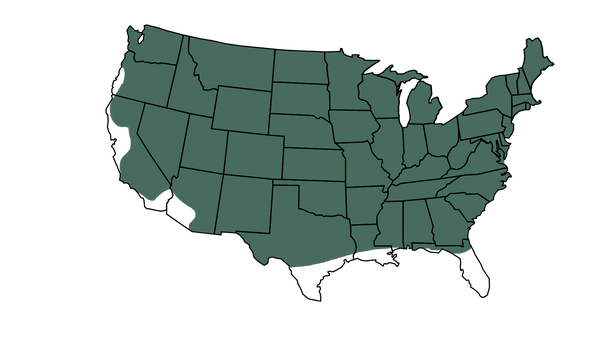
Where it grows in the groundShaded areas are the zones where it can be planted outdoors.


Size guide & what arrives
| *Trade size | **Pot size |
|---|---|
| 1 gallon | 6" |
| 3 gallon | 8 to 10" |
| 5 gallon | 10 to 12" |
| 7 gallon | 14" |
| 10 gallon | 15 to 17" |
| 15 gallon | 17" |
| "Jumbo" | 7 or 10 or 15 gallon |
*Nursery gallon sizes are trade sizes and do not equal standard liquid gallons.
**Pot sizes in inches refer to container width (diameter), not plant or pot height.
Please note: Sizing can differ between plant varieties and growers. Please chat with us if you need clarification.
For more information on sizing, please see our sizing guide.
What arrives
The Autumn Blaze Red Maple is known for its adaptability and fast growth. It is an excellent choice for providing shade and color to your landscape, and its vibrant fall colors make it a focal point in autumn gardens.
What customers are saying
Why customers love it

Healthy, well-rooted plants
Hand-selected and shipped in its nursery pot.

Delivered to your door
Skip the nursery trip. Very little car Tetris required.

Real plant experts
Ask us anything before or after planting.

1-year guarantee
If something goes wrong, we'll help make it right.
Care made simple
Plant it right once and it does the rest.
Pick the spot before you dig.
Water slowly and deeply. Check more often in its first summer.
Enter your ZIP above to check your zone.
Your first year together
- 1Day 1
Plant it, then water slowly until the whole root ball is soaked.
- 2First few weeks
Keep the soil evenly moist while new roots settle in.
- 3First summer
Water deeply during hot, dry spells.
- 4Next spring
New growth starts. Feed as it wakes up.
Planting instructions
Watering & sunlight
Use a slow-running hose, soaker hose, or drip system to water the root ball and surrounding root zone thoroughly. Allow the water to penetrate deeply (not just wet the top few inches of soil), and avoid frequent, shallow watering.
Before watering again, check the soil 3–4 inches deep near the root ball. If it feels dry, repeat this deep-watering process. If it feels moist or soggy, wait and check again in 1–2 days. Check the soil of newly planted trees and shrubs several times per week, especially during hot, dry, or windy weather.
Irrigation run times will vary based on flow rate, soil, and system setup.
Need help? Contact our plant experts for watering guidance tailored to your plant and growing conditions.
Autumn Blaze Red Maple thrives in both full sun and partial shade. Full sun exposure leads to the most brilliant fall colors.
Care guide
Shipping & what's inside
Your plant ships in its nursery pot with the soil secured, packed so it stays steady on the way to you.
1-year guarantee
Every plant is covered by our 1-year guarantee. If something goes wrong, contact our team and we'll walk you through it.
 Answered by Simply Trees plant experts
How big do Autumn Blaze Red Maple trees get?
Height: Mature Autumn Blaze Red Maples typically reach a height of about 50 to 60 feet when planted in ideal conditions. Some exceptionally well-grown trees may even exceed these heights.
Spread (Width): These trees typically have a mature width, or spread, that is similar to their height, ranging from approximately 40 to 50 feet. Their canopy can be quite broad and rounded.
Growth Rate: Autumn Blaze Red Maples are known for their relatively fast growth rate, especially in the early years after planting. They can quickly establish themselves in the landscape.
It's important to note that the size of a mature Autumn Blaze Red Maple can be influenced by various factors, including environmental conditions, care, and pruning. Additionally, individual trees may exhibit some natural variation in size and growth rate.
When planting an Autumn Blaze Red Maple, it's essential to consider its mature size and provide it with adequate spacing and suitable conditions to accommodate its impressive dimensions. These trees are often valued for their shade, ornamental qualities, and vibrant fall foliage, making them a popular choice for landscaping in residential and public spaces.
How often do you water a newly planted Autumn Blaze maple?
Immediately After Planting:
After planting, thoroughly water the tree to settle the soil around the roots and remove air pockets. This initial watering helps ensure good soil-to-root contact.
First Few Weeks:
For the first few weeks after planting, water the tree deeply and consistently. Provide enough water to keep the soil evenly moist but not waterlogged. Watering frequency may vary depending on local conditions, but a general guideline is to water every 2 to 3 days during the first few weeks. However, adjust this based on factors like soil type and weather. Clay soils retain moisture longer, while sandy soils drain quickly and may require more frequent watering.
First Growing Season:
Throughout the first growing season, continue to monitor soil moisture. Water the tree deeply when the top 2 to 3 inches of soil feel dry to the touch. Aim to provide approximately 1 to 1.5 inches of water per week, either through rainfall or supplemental watering. Use a soaker hose or drip irrigation to water deeply and directly at the base of the tree. Avoid frequent shallow watering, as it can encourage shallow root growth.
Subsequent Years:
As the tree becomes established, its water needs will decrease. In the second and subsequent years, you can gradually reduce the frequency of watering.
However, continue to water during periods of drought or when there is insufficient rainfall. Even established trees benefit from occasional deep watering during dry spells.
Mulching: Applying a layer of mulch around the base of the tree (but not touching the trunk) can help retain soil moisture and regulate soil temperature. Mulch also helps reduce competition from weeds and grass.
Soil Type: The type of soil in your location can influence watering frequency. Sandy soils typically require more frequent watering, while clay soils hold moisture longer. Adjust your watering schedule accordingly.
Remember that the goal is to keep the soil consistently moist, not soggy. Overwatering can be as harmful as underwatering, so always monitor the soil moisture and adjust your watering regimen based on the tree's specific needs and local conditions. Healthy soil moisture levels are essential for the successful establishment of your Autumn Blaze Maple.
How fast do Autumn Blaze Red Maple trees grow?
Initial Growth: In the first few years after planting, Autumn Blaze Red Maple trees can exhibit rapid growth. During this phase, they may grow anywhere from 2 to 4 feet in height per year, depending on environmental conditions and care.
Maturity: As the trees mature, their growth rate may slow down somewhat, but they typically continue to grow at a moderate pace. Mature trees can reach a height of about 50 to 60 feet with a similar spread in width.
Environmental Factors: Growth rate can vary depending on factors such as soil quality, moisture levels, sunlight, and temperature. Trees planted in ideal conditions with well-drained soil and adequate sunlight tend to grow more vigorously.
Care and Maintenance: Providing proper care, including regular watering, mulching, and occasional fertilization, can support healthy growth and maintain a faster growth rate.
Pruning: Pruning can influence the overall shape and size of the tree. While not typically required for growth rate control, it can be used to shape the tree or remove damaged branches.
Local Climate: The local climate and hardiness zone can also affect the growth rate. Autumn Blaze Red Maples are well-suited to USDA hardiness zones 3 to 8.
It's important to note that growth rates can vary among individual trees due to genetic differences and environmental conditions. While Autumn Blaze Red Maple trees are known for their relatively fast growth, the exact rate can depend on the specific circumstances in which they are planted. Overall, they are a popular choice for homeowners and landscapers looking to establish shade trees relatively quickly in their landscapes.
How far apart should I plant Autumn Blaze Maples?
Single Tree Planting:
If you are planting a single Autumn Blaze Maple as a focal point or shade tree in your landscape, allow it to have ample space to reach its mature size. A minimum distance of 40 to 50 feet from other trees, structures, or obstacles is recommended.
Multiple Tree Planting:
If you plan to plant multiple Autumn Blaze Maples in your landscape, consider spacing them at least 40 to 50 feet apart. This spacing allows each tree to develop its own canopy and reduces competition for sunlight, nutrients, and moisture.
Screen or Windbreak Planting:
When planting Autumn Blaze Maples as a screen or windbreak, you can space them closer together, typically around 15 to 20 feet apart. Closer spacing encourages the trees to grow together and create a denser barrier.
Understory Planting:
If you intend to plant smaller shrubs or perennials beneath the canopy of established Autumn Blaze Maples, provide adequate spacing to allow for the growth of the understory plants. Spacing of 10 to 15 feet between the trees may be suitable in this scenario.
Consider Mature Size:
Keep in mind that Autumn Blaze Maples will take several years to reach their mature size. Consider their eventual width and height when determining the spacing to allow them room for healthy growth.
Local Guidelines:
Be aware of any local guidelines or recommendations for tree spacing in your area, especially if you are planting near property lines or utility easements.
Spacing your Autumn Blaze Maples appropriately is essential to ensure they have enough room to develop a healthy canopy and avoid overcrowding, which can lead to competition for resources and a less attractive overall appearance. Consulting with a local arborist or landscaper can provide valuable insights tailored to your specific planting location and landscape goals.
Where is the best place to plant Autumn Blaze Maples?
Sunlight:
Autumn Blaze Maples thrive in full sun to partial shade. Choose a location that receives at least 6 hours of direct sunlight each day for optimal growth and the development of vibrant fall foliage.
Soil:
These trees are adaptable to a range of soil types, but they prefer well-draining, fertile soil. Avoid planting them in areas with consistently waterlogged or poorly drained soil, as this can lead to root rot.
Spacing:
Plant Autumn Blaze Maples with adequate spacing between them and other structures or trees. These trees can have a mature width of 40 to 50 feet, so consider their ultimate size when planning their placement in your landscape.
Air Circulation:
Good air circulation is important to help prevent diseases and maintain the tree's health. Avoid planting them in crowded or tight spaces.
Protection from Wind:
While these trees are generally hardy, providing some protection from strong winds during their early years can help prevent damage to branches and improve their overall form.
Accessibility for Maintenance:
Ensure that the planting site is easily accessible for routine maintenance tasks such as pruning, watering, and fertilizing.
Avoid Low Areas:
Avoid planting in low-lying areas or areas prone to standing water, as excessive moisture can be detrimental to the tree's health.
Local Climate:
Check that Autumn Blaze Maples are well-suited to your local climate. They are hardy in USDA hardiness zones 3 to 8, but local weather conditions may vary.
Avoid Overhead Wires:
Be mindful of overhead utility wires when selecting a planting location to prevent future conflicts and the need for pruning or removal.
Consider Aesthetic Goals:
Think about how the tree will fit into your overall landscape design and how it will complement other plants and features.
Autumn Blaze Maples are valued for their fast growth and vibrant fall foliage, making them a popular choice for residential landscapes. By selecting an appropriate planting site and providing proper care, you can enjoy the beauty and benefits of these trees for many years to come.
Which is better Autumn Blaze or Red Sunset Maple?
Autumn Blaze Maple (Acer x freemanii 'Autumn Blaze'):
Fall Color: Autumn Blaze Maple is known for its brilliant fall foliage, which typically displays vibrant shades of red, orange, or sometimes purple. The fall color is often striking and can be a focal point in your landscape.
Growth Rate: This hybrid maple grows relatively quickly, making it an excellent choice if you want to establish a mature tree in your landscape relatively quickly.
Hardiness: Autumn Blaze Maples are hardy and can tolerate a range of soil types and conditions. They are adaptable and can thrive in various climates.
Shape: These trees have a pyramidal to oval shape when young, which becomes more rounded as they mature.
Red Sunset Maple (Acer rubrum 'Red Sunset'):
Fall Color: Red Sunset Maple is also known for its outstanding fall color, which includes shades of red, orange, or scarlet. The red coloration is often intense and can be particularly striking.
Growth Rate: While not as fast-growing as the Autumn Blaze Maple, Red Sunset Maple still grows at a reasonable rate, allowing it to reach a mature size over time.
Hardiness: Red Sunset Maples are hardy and well-suited to various soil types. They can adapt to different climates, including cold winters.
Shape: These trees typically have a more upright, oval to rounded shape as they mature.
Considerations:
Fall Color Preference: Your choice may come down to your preference for the specific shade of red or orange that each tree offers in the fall. Both trees are valued for their striking fall foliage, but the exact color can vary.
Growth Rate: If you want a tree that will quickly provide shade and visual impact, Autumn Blaze Maple's faster growth rate might be more appealing.
Landscape Design: Consider your overall landscape design and the space you have available. The shape and size of each tree at maturity may influence your decision.
Climate: Verify that the tree you choose is well-suited to your local climate and soil conditions.
Ultimately, both Autumn Blaze Maple and Red Sunset Maple are excellent choices for homeowners and landscapers seeking beautiful fall color. Your decision may depend on your aesthetic preferences, growth rate requirements, and specific environmental conditions in your area. It's also a good idea to visit local nurseries or consult with local horticulturists for advice tailored to your specific location and landscape goals.
Why is my Autumn Blaze Red Maple turning yellow?
Natural Variation: Some variation in fall color can be normal, even within the same cultivar or species. Not all Autumn Blaze Maples will turn the exact same shade of red or orange. Some may exhibit more yellow or even purple tones in their foliage.
Environmental Factors:
Weather: Unusually warm or dry weather during the fall can impact the development of red pigments in the leaves, leading to a more yellow coloration.
Sunlight: Adequate sunlight is crucial for the production of red pigments. If the tree is shaded by other trees or structures, it may not receive enough light to develop red foliage.
Nutrient Levels:
Soil nutrient deficiencies, particularly in essential elements like phosphorus, potassium, and magnesium, can affect the tree's ability to produce red pigments. A soil test can help identify any nutrient imbalances.
Stress or Health Issues:
Stress factors such as pests, diseases, or poor soil conditions can impact the tree's overall health and its ability to display red or orange fall colors.
Leaf Senescence: The timing of fall color change can vary from year to year. Some years, the onset of yellow coloration may precede the development of red or orange hues. The sequence and intensity of fall colors can vary.
To encourage or enhance red or orange fall color in your Autumn Blaze Maple, consider the following:
- Ensure the tree receives adequate sunlight.
- Maintain proper soil nutrition through fertilization and soil amendments.
- Address any stress factors, pests, or diseases affecting the tree's health.
- Be patient, as the sequence and intensity of fall colors can vary from year to year.
While yellow fall foliage can be less common for Autumn Blaze Maples, it's not necessarily a cause for concern unless accompanied by other signs of stress or declining health. If you're uncertain about the health of your tree or have specific concerns, consulting with a local arborist or horticulturist can provide valuable insights and recommendations.
What color are Autumn Blaze Maples in the summer?
Why isn't my Autumn Blaze Maple turning red?
Young Tree: Young trees may not exhibit the full range of fall coloration that mature trees do. It can take several years for the tree to develop its characteristic autumn hues.
Environmental Conditions:
Weather: Unusually warm or dry weather during the fall can delay or diminish the development of vibrant fall colors.
Sunlight: Adequate sunlight is essential for the production of red pigments in the leaves. If the tree is shaded by taller structures or other trees, it may not receive enough light to develop red foliage.
Nutrient Levels:
Soil nutrient deficiencies, particularly in essential elements like phosphorus, potassium, and magnesium, can impact the tree's ability to produce red pigments. A soil test can help identify any nutrient deficiencies.
Disease or Stress:
Stress factors such as pests, diseases, or poor soil conditions can affect the tree's overall health and its ability to display vibrant fall colors.
Varietal Differences:
While Autumn Blaze Maples are known for their red and orange fall colors, there can be some natural variation among individual trees or specific environmental factors that result in different shades of red or orange.
Pruning:
Pruning the tree at the wrong time or excessively can affect the tree's ability to produce red fall foliage.
Leaf Senescence: Sometimes, the timing of fall color change can vary from year to year, and the onset of red coloration may be delayed. Patience is key.
To encourage vibrant fall color in your Autumn Blaze Maple, consider the following:
- Ensure the tree receives sufficient sunlight.
- Maintain proper soil nutrition through fertilization and soil amendments.
- Address any stress factors, pests, or diseases affecting the tree's health.
- Be patient, as young trees may take a few years to develop their full fall color potential.
If your Autumn Blaze Maple consistently fails to display red or orange fall foliage despite addressing these factors, you may want to consult with a local arborist or horticulturist for a more specific assessment of the tree's condition and recommendations for improvement.
Can you get maple syrup from an Autumn Blaze Maple?
Maple syrup is typically produced from the sap of sugar maple trees (Acer saccharum) and sometimes red maple trees (Acer rubrum). These maple species have a higher sugar content in their sap, which makes them suitable for syrup production.
Autumn Blaze Maples are primarily grown as ornamental trees valued for their vibrant fall foliage and rapid growth. Their sap does not contain the high sugar concentrations needed to produce maple syrup. If you're interested in making maple syrup, you should consider planting sugar maple or red maple trees specifically cultivated for syrup production.