


Arizona Cypress
Zones 7-10
Buy more, save more
Save up to $1,000 on your whole cart.
Discounts don't stack. At checkout you automatically get whichever saves you more.
See all savings tiers
Your code will auto-apply at checkout.
From our farm to your front door
- Shipped in its nursery pot, so the roots stay undisturbed
- Soil secured so it stays put in transit
- Packed so the plant stays steady on the way to you
At a glance
- Leaves
- Evergreen: keeps its leaves all year
- Sunlight
- Full Sun
- Water
- When the top 2–3" of soil is dry
- Growth & size
- Moderate growth rate, reaching a mature height of typically 40 to 50 feet tall and 15 to 30 feet wide.
- Botanical name
- Cupressus arizonica
- Hardiness
- Zones 7-10
- Tolerates
- Cold hardyHeat tolerantDrought tolerantDesert tolerantWind tolerantHigh elevation tolerant
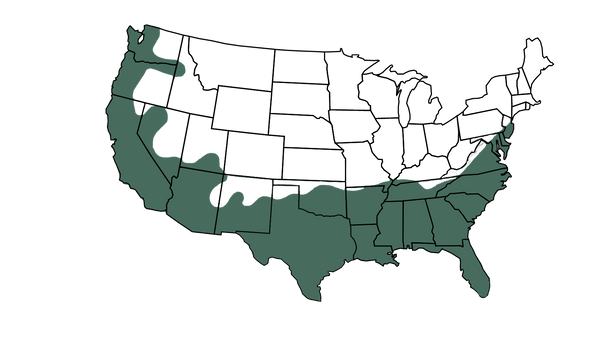
Where it grows in the groundShaded areas are the zones where it can be planted outdoors.


Size guide & what arrives
| *Trade size | **Pot size |
|---|---|
| 1 gallon | 6" |
| 3 gallon | 8 to 10" |
| 5 gallon | 10 to 12" |
| 7 gallon | 14" |
| 10 gallon | 15 to 17" |
| 15 gallon | 17" |
| "Jumbo" | 7 or 10 or 15 gallon |
*Nursery gallon sizes are trade sizes and do not equal standard liquid gallons.
**Pot sizes in inches refer to container width (diameter), not plant or pot height.
Please note: Sizing can differ between plant varieties and growers. Please chat with us if you need clarification.
For more information on sizing, please see our sizing guide.
What arrives
The Arizona Cypress is known for its drought tolerance and can be a great choice for low-maintenance landscaping. Its attractive foliage and upright form make it a stylish addition to gardens, providing both aesthetic appeal and functional screening.
What customers are saying
Why customers love it

Healthy, well-rooted plants
Hand-selected and shipped in its nursery pot.

Delivered to your door
Skip the nursery trip. Very little car Tetris required.

Goodbye, noisy neighbors
A living screen that blocks the view, softens the sound and looks better than a fence.

1-year guarantee
If something goes wrong, we'll help make it right.
Care made simple
Plant it right once and it does the rest.
Pick the spot before you dig.
Water slowly and deeply. Check more often in its first summer.
Enter your ZIP above to check your zone.
Your first year together
- 1Day 1
Plant it, then water slowly until the whole root ball is soaked.
- 2First few weeks
Keep the soil evenly moist while new roots settle in.
- 3First summer
Water deeply during hot, dry spells.
- 4Next spring
New growth starts. Feed as it wakes up.
Planting instructions
Watering & sunlight
Use a slow-running hose, soaker hose, or drip system to water the root ball and surrounding root zone thoroughly. Allow the water to penetrate deeply (not just wet the top few inches of soil), and avoid frequent, shallow watering.
Before watering again, check the soil 3–4 inches deep near the root ball. If it feels dry, repeat this deep-watering process. If it feels moist or soggy, wait and check again in 1–2 days. Check the soil of newly planted trees and shrubs several times per week, especially during hot, dry, or windy weather.
Irrigation run times will vary based on flow rate, soil, and system setup.
Need help? Contact our plant experts for watering guidance tailored to your plant and growing conditions.
The Arizona Cypress thrives in full sunlight, ensure it receives 6-8 hours of direct sunlight daily.
Care guide
What does "Jumbo" mean?
Shipping & what's inside
Your plant ships in its nursery pot with the soil secured, packed so it stays steady on the way to you.
1-year guarantee
Every plant is covered by our 1-year guarantee. If something goes wrong, contact our team and we'll walk you through it.
 Answered by Simply Trees plant experts
How big does the Arizona Cypress get?
Height: Mature Arizona Cypress trees commonly reach heights of 30 to 60 feet. However, some varieties or individuals can grow taller under optimal conditions, while others may remain shorter.
Spread: The spread or width of an Arizona Cypress tree can be about 10 to 20 feet. The tree typically maintains a pyramidal to conical shape.
It's important to note that different varieties or cultivars of Arizona Cypress may have slightly different growth habits and sizes. When planting Arizona Cypress, be sure to consider the specific variety's mature size to ensure it has adequate space to grow to its full potential without overcrowding.
Additionally, proper care and maintenance, including pruning and shaping, can influence the tree's size and overall appearance. Pruning can be used to control the tree's shape and size, especially if you want to maintain it as a smaller specimen in your landscape.
How fast do Arizona Cypress grow?
How far apart do you plant Arizona Cypress?
Privacy Screen or Windbreak: If you're planting Arizona Cypress to create a privacy screen or windbreak, space the trees about 6 to 10 feet apart. This spacing provides adequate room for the trees to grow and fill in over time, creating a dense barrier.
Mixed Border: In mixed borders with other trees and shrubs, you can space Arizona Cypress trees farther apart, typically 10 to 15 feet or more, depending on the overall design and the size of the surrounding plants. This allows for a more open and visually appealing landscape.
Specimen Planting: When planting Arizona Cypress as individual specimen trees, provide adequate space to showcase each tree's unique characteristics. You can space them 15 feet or more apart, depending on the mature size of the specific cultivar.
Container Planting: If you're planting Arizona Cypress in containers, you can space them as closely as you prefer, as long as they have adequate room for their root systems to grow. This can vary widely depending on the size of the containers.
Hedgerow: For a formal or informal hedgerow, spacing can vary based on your desired density. Closer spacing, such as 3 to 5 feet apart, will create a denser hedge, while wider spacing, like 6 to 10 feet apart, will result in a more open hedge.
Remember to consider the mature size of the specific Arizona Cypress variety you're planting. Some varieties may naturally grow more compact or taller than others. Spacing should take into account both the width and height of the mature trees to ensure they have room to reach their full potential without overcrowding.
What is the best climate for Arizona Cypress?
Mild Winters: Arizona Cypress prefers regions with mild winters, where temperatures typically do not drop significantly below freezing. It is not well-suited for areas with harsh, prolonged cold snaps.
Hot, Dry Summers: These trees thrive in areas with hot and dry summers. They are adapted to arid climates and can withstand high temperatures during the summer months.
Low to Moderate Precipitation: Arizona Cypress is well-suited to regions with relatively low to moderate annual precipitation. It is adapted to drought conditions and does not require excessive moisture.
Well-Draining Soil: These trees prefer well-draining soil and are not tolerant of waterlogged or poorly drained soil. Sandy or rocky soils are often ideal for them.
Full Sun: Arizona Cypress requires plenty of sunlight and should be planted in a location that receives full sun, meaning at least 6 to 8 hours of direct sunlight daily.
Protection from Harsh Winds: While they can withstand windy conditions to some extent, providing some protection from strong, drying winds can be beneficial, especially for young trees.
Elevation: Arizona Cypress is naturally found at various elevations, but it generally thrives at elevations between 2,000 and 6,000 feet above sea level. However, specific varieties or cultivars may have different elevation preferences.
Arizona Cypress is native to the southwestern United States and northern Mexico, where it is well-adapted to the local climate conditions. It is commonly found in regions with dry, rocky, or desert-like landscapes. When planting Arizona Cypress outside of its native range, it's essential to consider its climate requirements and provide suitable care to replicate its preferred conditions.
If you live in an area with a climate that matches these preferences, Arizona Cypress can be an excellent choice for landscaping, providing year-round greenery and an attractive addition to your outdoor space.
How cold hardy are Arizona Cypress?
Variety or Cultivar: Some varieties or cultivars of Arizona Cypress may have better cold tolerance than others. It's important to choose a variety that is suitable for your climate if you live in an area with cold winters.
Maturity: Young Arizona Cypress trees are generally more susceptible to cold damage than mature trees. As the tree matures, it becomes better equipped to withstand cold temperatures.
Local Climate: The cold hardiness of Arizona Cypress can vary depending on your specific geographic location and the prevailing climate in your region. It is more likely to thrive in areas with milder winters and less severe cold snaps.
Protection: Providing protection during extreme cold events, especially for younger trees or those in their early years of establishment, can help them survive colder temperatures. This can include wrapping the tree trunk in burlap or providing windbreaks.
Winter Watering: Ensuring that the tree is adequately watered throughout the fall and early winter can help it resist cold damage. Well-hydrated trees are less prone to winter injury.
Frost Pockets: Be aware of microclimates in your landscape. Trees planted in low-lying areas or frost pockets may be more susceptible to cold damage than those planted on higher ground.
In general, Arizona Cypress is better suited to regions with mild to moderate winters and may not thrive in areas with extremely cold temperatures or harsh winter conditions. It is native to the southwestern United States and northern Mexico, where it is adapted to the climate of arid and semi-arid regions.
If you are considering planting Arizona Cypress in an area with cold winters, it's a good idea to consult with a local nursery or arborist who is familiar with the specific conditions in your region. They can recommend suitable varieties and provide guidance on care practices to help your Arizona Cypress trees withstand the cold.
Is Arizona Cypress the same as Carolina Cypress?
Arizona Cypress (Cupressus arizonica):
- Arizona Cypress is a species of cypress native to the southwestern United States and northern Mexico.
- It is known for its tall, slender, and columnar shape with gray-green to blue-green foliage.
- This tree is well-suited to arid and semi-arid climates and is often found in dry, rocky, or desert areas.
Carolina Cypress (Taxodium distichum):
- Carolina Cypress, also known as Bald Cypress, is a different species of cypress native to the southeastern United States.
- It is a deciduous conifer that sheds its leaves in the fall, unlike Arizona Cypress, which is an evergreen.
- Carolina Cypress is commonly found in wetlands, swamps, and along riverbanks, where it can tolerate wet and waterlogged soil conditions.
While both species belong to the cypress family, Cupressaceae, they have different growth habits, foliage types, and preferred habitats. Arizona Cypress is adapted to drier environments, while Carolina Cypress is adapted to wetter and more humid regions. Therefore, they are not the same tree and should not be confused with each other.
How do you prune an Arizona Cypress Tree?
When to Prune:
Prune Arizona Cypress in late winter to early spring before new growth begins. This timing minimizes stress to the tree and allows it to recover and start producing new growth as the weather warms up.
Tools:
Use sharp, clean pruning shears, loppers, or a pruning saw, depending on the size of the branches you need to trim. Disinfect your tools before and after use to prevent the spread of diseases.
Pruning Steps:
Remove Dead or Diseased Branches:
Start by inspecting the tree for any dead, damaged, or diseased branches. These should be removed to prevent further problems and to improve the tree's overall health.
Prune for Shape:
To maintain the desired shape of the tree, selectively prune branches that are straying or growing irregularly. Arizona Cypress can be pruned to maintain a pyramidal or conical shape.
Thinning:
If the tree is becoming overly dense or crowded, thin out some of the interior branches. This improves air circulation and sunlight penetration, reducing the risk of disease and encouraging healthy growth.
Size Control:
If your Arizona Cypress is outgrowing its space or becoming too tall, you can prune the top (leader) to control its height. Use a proper pruning cut to avoid leaving stubs.
Avoid Heavy Pruning:
Avoid heavy pruning during the growing season, as it can stress the tree and result in excessive growth of new foliage. Late winter or early spring is the best time for major pruning.
Limit Removal of Healthy Foliage:
While pruning, try to avoid removing more than one-third of the total foliage in a single pruning session to prevent stress to the tree.
Safety Tips:
Wear appropriate safety gear, including gloves and eye protection, especially when using pruning tools.
Be cautious of the tree's thorns, which can be sharp. Handle branches carefully.
Use a sturdy ladder or equipment when pruning higher branches, and have someone assist you if necessary.
Remember that Arizona Cypress trees have a natural growth habit, and it's important not to over-prune or radically change their shape. Pruning should focus on maintaining health, structure, and size within the context of the tree's natural form. If you're uncertain about how to prune your Arizona Cypress or if you have specific goals in mind, consider consulting with a local arborist or tree care professional for guidance and assistance.
Does Arizona Cypress turn brown in winter?
While the foliage of Arizona Cypress remains green or blue-green in winter, it can take on a slightly different hue depending on the specific variety and growing conditions. Some varieties of Arizona Cypress have foliage that appears more silvery or blue-gray, while others have a greener appearance. The color variation can be influenced by factors such as soil type, sunlight exposure, and individual genetic traits of the tree.
In any case, Arizona Cypress maintains its evergreen character, providing year-round color and interest in the landscape, even during the winter months.
Why is my Arizona Cypress turning brown?
Drought Stress: Arizona Cypress is relatively drought-tolerant, but it still requires adequate moisture, especially during its establishment period. If the tree isn't receiving enough water, it can exhibit browning foliage. Ensure that the soil around the tree is consistently moist but not waterlogged.
Overwatering: Conversely, overwatering can lead to root problems, including root rot, which can cause the foliage to turn brown. Make sure the tree is planted in well-draining soil and that you're not keeping the soil excessively wet.
Poor Soil Drainage: If the soil around the Arizona Cypress doesn't drain well, it can cause root suffocation and stress, leading to browning foliage. Improve soil drainage if necessary.
Environmental Stress: Environmental factors such as extreme heat, cold, wind, or pollution can stress the tree and cause browning. Providing protection from harsh conditions, especially during its early years, can help.
Pests and Diseases: Insect pests or diseases, such as spider mites, scale insects, or fungal infections, can damage the foliage and cause it to turn brown. Inspect the tree for signs of pests or disease, and take appropriate measures for control.
Improper Pruning: Pruning at the wrong time or too aggressively can stress the tree and lead to browning foliage. Prune only as necessary, and avoid heavy pruning during the growing season.
Nutrient Deficiency: A lack of essential nutrients, particularly nitrogen, can result in poor foliage color and browning. Fertilize the tree with a balanced, slow-release fertilizer as recommended for coniferous trees.
Root Compaction: Soil compaction around the root zone can restrict root growth and reduce the tree's ability to absorb water and nutrients. Avoid compacting the soil around the tree's base.
Planting Depth: Ensure that the tree is planted at the correct depth. Planting too deep or too shallow can stress the tree and affect its health.
Natural Shedding: Some degree of browning and shedding of older foliage can be a natural part of the growth process for evergreen trees like Arizona Cypress. However, excessive browning is cause for concern.
To address the issue and help your Arizona Cypress recover, carefully assess the potential causes listed above, and take appropriate action. Providing proper care, including regular watering, soil improvement, and monitoring for pests and diseases, can help maintain the health and appearance of your tree. If you're unsure about the cause of browning, consider consulting a local arborist or Simply Trees horticulurist for a professional evaluation and advice specific to your tree's condition and your local climate.
What does Arizona Cypress smell like?
The aromatic compounds in the foliage give it this characteristic scent, and it is one of the reasons why Arizona Cypress is sometimes used in landscaping and for its ornamental value. The fragrance can vary slightly among different individuals of the species, but in general, it is associated with the familiar and pleasant aroma of coniferous trees.